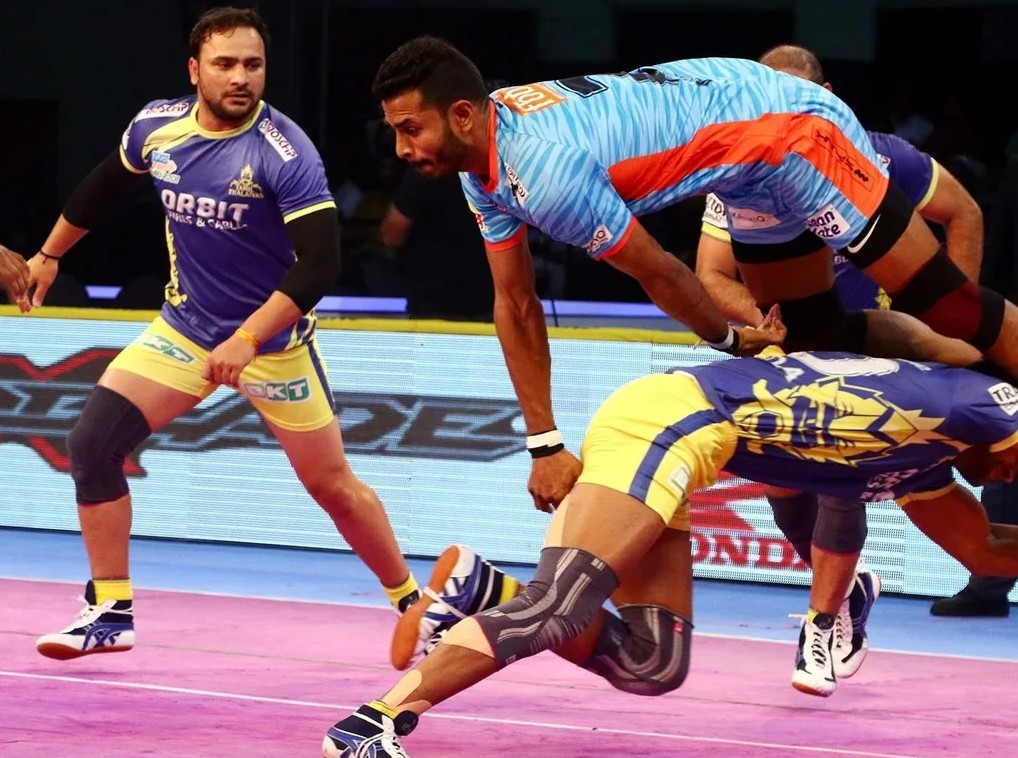
Strong couplets behave like a clean raid – one breath to set the pace, one move to change the angle, one exit that leaves a soft echo. Craft gets easier when lines follow a body rhythm the mouth can keep under stress. Kabaddi offers a tough, visual model for that rhythm. Footwork shows how to commit, the chant shows how to count, and the return line shows where to stop. This article turns those patterns into writing moves that hold on small screens and in small rooms. The focus stays practical – breath counts, a meter you can feel, a quick plan for the two-line turn, and a light stage routine that protects voice when noise rises. The point is simple. Give words a frame, so feeling can move without spilling.
The Breath Count Behind Lines That Land
A raid starts with measured lungs, not risk. Couplets that land follow the same logic. Count a four-beat breath before speaking, then let the first line ride the last exhale. End on the image word, so the mouth closes the sense where the ear expects it. On the second line, shift meaning with one hinge – a silent contrast, a new light, a tighter angle – then exit while breath is still warm. This breath–beat link gives shyari a spine that survives nerves, wind, and small microphones. It also tames heavy wording. When breath sets length, extra adjectives fall away, verbs start carrying work, and pictures feel near enough to touch.
Good craft needs clear terms and a quick map of roles. For a concise refresher on positions, lanes, and match flow, kabaddi betting parimatch can serve as a neutral glossary and timing lens – nothing more. Treat it like a diagram that explains why a chant steadies lungs and why a return line matters. The writing lesson sits beside the court, not on it. Learn how the chant parcels time. Borrow that count for meter. Notice how a raider keeps options short. Borrow that limit for images. The goal is sure footing on the page. When timing is owned, a couplet stops chasing style and starts sounding like it belongs where it is read.
Footwork For The Tongue – Meter You Can Feel
Meter works best when the tongue leads. Speak each draft once at walking pace. If breath breaks mid-line, the meter is long. If the hinge sits early, the turn arrives dull. Shift stress until the beat fits a steady step and the last word holds weight. Then harden the stop – a crisp noun or verb – so the pause feels earned rather than empty. A short checklist keeps this session tight and repeatable during busy weeks.
- Read at walking pace and track where breath fails.
- Move the hinge toward the end by a word or two.
- Trade filler verbs for actions a body can picture.
- Keep one vowel family per line for a clean ring.
- End on the image word and let silence do its job.
Picture, Pivot, Release – A Two-Line Game Plan
The game plan is simple. Line one plants a single, concrete picture – a cup cooling on a sill, rain on a tin roof, a lamp still on. The line ends on that picture, so the image settles in the ear. Line two turns the same picture to face a second truth – company that left, time that moved, peace that stayed – and does it with one lean hinge. Over-explaining drains charge. A couplet shines when the pivot arrives late and leaves space for the reader’s breath to finish sense. This is the page version of the split step – a small shift that makes the bigger move look easy while the count stays steady and the frame stays tight.
Stage Craft For Small Rooms And Big Ears
Rooms reward control, not force. A short pre-read calms the jaw and drops the shoulders, so tone stays even. The voice should sit low and warm; sharp edges can wait for the hinge. Eyes go to the last word of line one and hold the room there for a beat. Hands stay quiet unless the image needs a small trace – a rim of a cup, a window’s line, a guard’s square. The pause after each couplet is part of the piece. Give that beat a home in the breath plan. Lights and mics help, yet shape carries the weight. When listeners feel count and contour, meaning travels without effort and holds after applause fades.
Leave The Echo Without Losing Calm
The last line decides memory. A calm exit keeps the echo friendly. End on a noun or verb that carries the picture and drop any tail that tries to explain the thought again. If the rhyme begs for one more word, let breath win and stop. Short records build trust – twenty minutes a night across a week will change tone more than a rare long push. Keep a notebook of hinges that worked, vowels that sang, and images that held air. Return to that list before each draft and before each reading. Over time, this small, boring practice turns into a style that feels sure. The raid returns safe. The chant settles. The couplet stands where it should – clear, light, and strong enough to stay.