
Football enthusiasts around the world increasingly rely on real-time data to gauge team performance, predict match outcomes, and assess global standings. From the elite clubs of Europe to emerging teams in Asia and the Americas, understanding the dynamics behind rankings provides crucial insight into the ever-shifting landscape of international football. In this article, we explore the latest movements in Global Football Rankings, focusing on underlying trends, performance metrics, and the factors that influence a team’s global position. Fans can also catch live action through trực tiếp bóng đá hôm nay, keeping them updated with the latest scores and developments.
The Mechanics Behind World Football Rankings
World football rankings are not merely reflections of match outcomes; they are sophisticated evaluations incorporating multiple performance indicators. These systems often consider recent form, head-to-head results, goal differential, match importance, and the strength of the opposition. Unlike historical points-based tables that relied solely on wins and losses, modern ranking models integrate dynamic weighting to account for the relative difficulty of competitions and the context of victories.
For example, a win against a top-ranked opponent in a major continental tournament carries significantly more weight than a friendly victory over a lower-tier team. Analysts also adjust rankings to reflect the frequency of matches, ensuring that teams competing more actively are not unfairly advantaged or penalized.
Key Performance Metrics Influencing Rankings
Several critical factors define how a team positions itself within the global football hierarchy. These include:
- Win-Loss Records and Points Accumulation – While straightforward, consistent victories against reputable teams remain the cornerstone of ranking models.
- Goal Difference and Defensive Stability – Teams that demonstrate a strong balance between attack and defense often outperform those with volatile scoring patterns.
- Strength of Schedule – Competing against higher-ranked opponents rewards teams more significantly, encouraging strategic scheduling in tournaments.
- Recent Form and Momentum – Rankings are dynamic; a team’s recent performance often has a disproportionate impact, reflecting its current competitiveness.
- Continental and Global Tournament Performance – Success in competitions like the UEFA Champions League, Copa Libertadores, AFC Champions League, or FIFA Club World Cup enhances a team’s credibility and global rating.
Regional Trends Impacting Global Standings

Different continents present unique trends in the evolving football landscape. In Europe, clubs maintain dominance due to the depth of resources, tactical sophistication, and the high frequency of competitive fixtures. Meanwhile, South American teams continue to showcase technical brilliance and emerging talents, often translating regional victories into strong international performances.
Asian football, historically less dominant on the global stage, has shown rapid improvement. Investment in youth development, advanced coaching methodologies, and exposure to international competitions have allowed teams to climb in global rankings faster than in previous decades. Similarly, African and North American clubs are increasingly competitive, leveraging tactical versatility and the integration of experienced international players.
Analytical Approaches to Ranking Predictions
Predictive analytics play a crucial role in understanding potential movements within bxh bóng đá thế giới. Analysts use historical data, player performance metrics, and probabilistic models to anticipate ranking changes and predict outcomes of upcoming matches. Machine learning algorithms can process vast datasets, evaluating patterns such as win streaks, injury impacts, and home-field advantages.
For instance, a team with consistent attacking efficiency but defensive vulnerabilities might experience minor ranking fluctuations if they face a series of highly tactical opponents. Conversely, a balanced team with strong adaptability can maintain or improve its position even in challenging circumstances. These insights not only help fans anticipate results but also guide managerial strategies and betting markets.
The Influence of Live Match Coverage
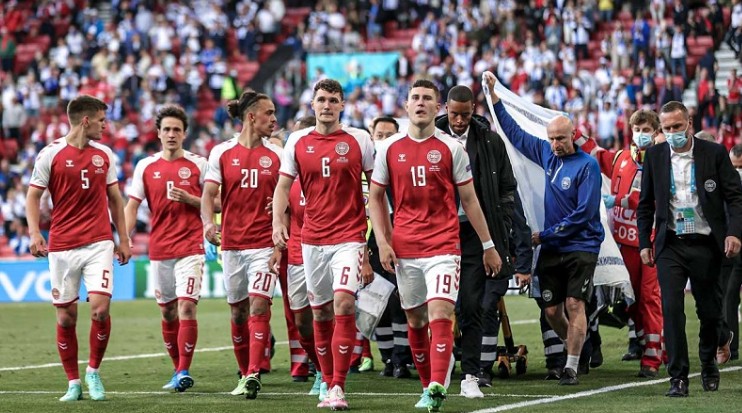
Access to XoilacTV has transformed how fans interact with football rankings. Real-time streaming and live updates allow enthusiasts to track immediate impacts on global standings. For example, an unexpected upset in a major tournament can instantly alter rankings, highlighting the fluidity and unpredictability inherent in competitive football. Moreover, live coverage contributes to fan engagement, offering context for statistical changes and allowing spectators to understand the broader significance of each fixture.
Strategic Implications for Clubs and Federations
Clubs and national federations analyze world rankings to inform operational and competitive strategies. High global positioning boosts sponsorship deals, increases fanbase reach, and attracts elite talent. Conversely, stagnation or decline can trigger structural reforms, including tactical overhauls, coaching staff changes, or investment in youth academies.
For federations, maintaining favorable standings ensures seeding advantages in international tournaments, shaping the pathway for qualification and knockout stages. Strategic scheduling, scouting, and player development are thus not merely domestic considerations but essential components of achieving and sustaining global prominence.
Emerging Patterns in Global Football Competitiveness
Recent years have revealed several notable patterns in Global Football Rankings. Clubs from traditionally underrepresented regions are now breaking into higher tiers, reflecting the globalization of talent and enhanced training infrastructures. There is also a growing emphasis on analytical approaches, from tracking player biometrics to evaluating tactical formations in real time.
Additionally, the mental and physical conditioning of players is increasingly factored into predictive models. Teams that manage squad rotation effectively, maintain player fitness, and adapt strategically during congested fixtures often demonstrate a more stable trajectory in global rankings. These trends indicate a more nuanced approach to football performance, combining physical prowess, tactical intelligence, and data-driven insights.
Conclusion
The global football ranking system provides more than just a hierarchy; it offers a window into the complex interplay of strategy, talent, and performance metrics. From the dominant European powerhouses to the rapidly improving teams in Asia and Africa, Global Football Rankings reflects a multifaceted view of the sport’s evolution. By combining rigorous analytics, live match engagement, and regional insights, fans and professionals alike can better appreciate the forces shaping football today.