Whether you’re buying, selling, renting, or even renovating a property, the term “EPC Certificate” is bound to come up. For many, it might sound like just another formality. But in reality, an Energy Performance Certificate (EPC) carries far more value than you might think.
What Is an EPC Certificate?
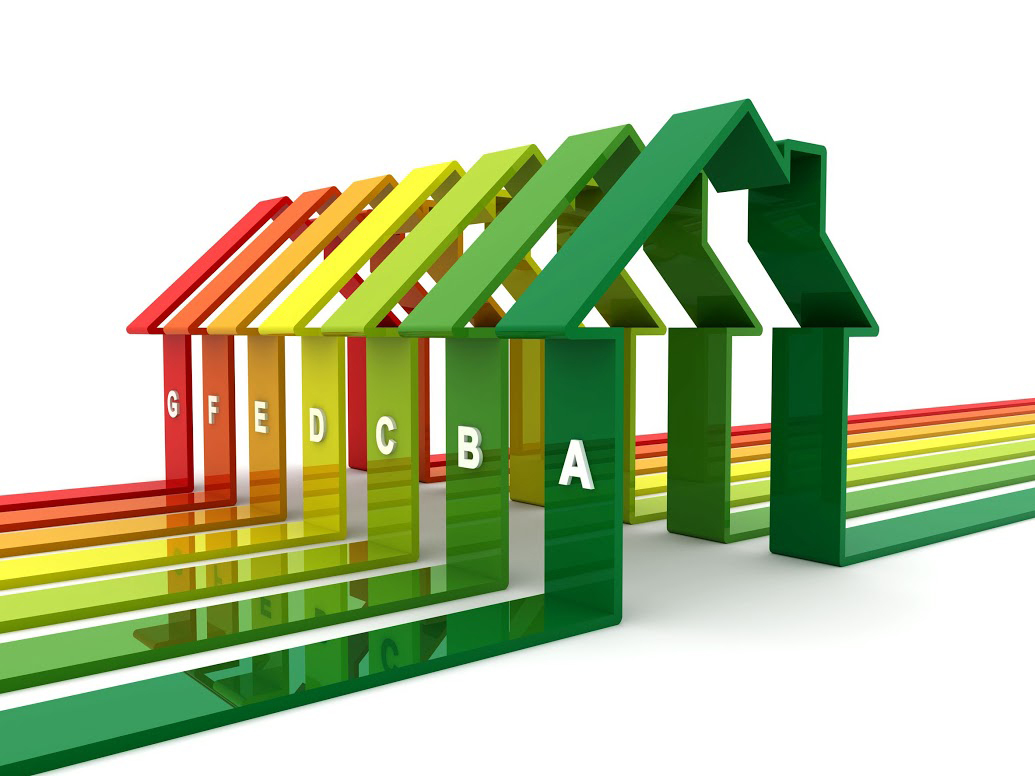
An EPC Certificate is an official document that rates a property’s energy efficiency on a scale from A (most efficient) to G (least efficient). It also provides suggestions for improving the property’s energy usage. In simple terms, it tells you how well your property uses energy and where improvements can be made.
Who Needs an EPC?
If you’re a homeowner looking to sell or rent out your property, an EPC is mandatory. Landlords and real estate developers must also ensure that a valid EPC is available at the time of listing. Even if you’re not planning to sell anytime soon, knowing your home’s energy performance helps you plan upgrades that save money in the long run.
Why Is It Important?
An EPC Certificate isn’t just about meeting legal obligations—it’s about awareness and responsibility. It gives you a clear picture of your property’s energy consumption, which affects your electricity bills, carbon footprint, asbestos test, and resale value.
Buyers and tenants are increasingly looking at energy ratings before making a decision. A better rating can make your property more attractive and potentially more valuable.
Benefits of Having an EPC Certificate
- Lower Energy Bills: By following the improvement suggestions and staying informed about options like archer city electricity rates, you can reduce your energy consumption and cut down on monthly costs.
- Increased Property Value: Energy-efficient homes tend to attract more interest and sell at better prices.
- Environmental Impact: A high energy rating means your home is contributing less to carbon emissions—something that matters more and more in today’s eco-conscious world.
- Legal Compliance: Avoid fines and delays by ensuring your certificate is up to date before listing your property.
How to Get an EPC Certificate?
Getting an EPC is a straightforward process. You need to hire an accredited energy assessor who will visit your property, inspect key elements like insulation, heating systems, windows, and lighting, and issue the certificate based on their findings.
Once issued, an EPC is valid for 10 years, unless major changes are made to the property that could affect its energy performance.
A Small Step, A Smart Move
An EPC Certificate might seem like just another document, but in reality, it’s a powerful tool that promotes energy efficiency, cost savings, and environmental awareness. Whether you’re a homeowner, landlord, or real estate developer, having an EPC is not just about following the rules—it’s about making smarter, more responsible choices.