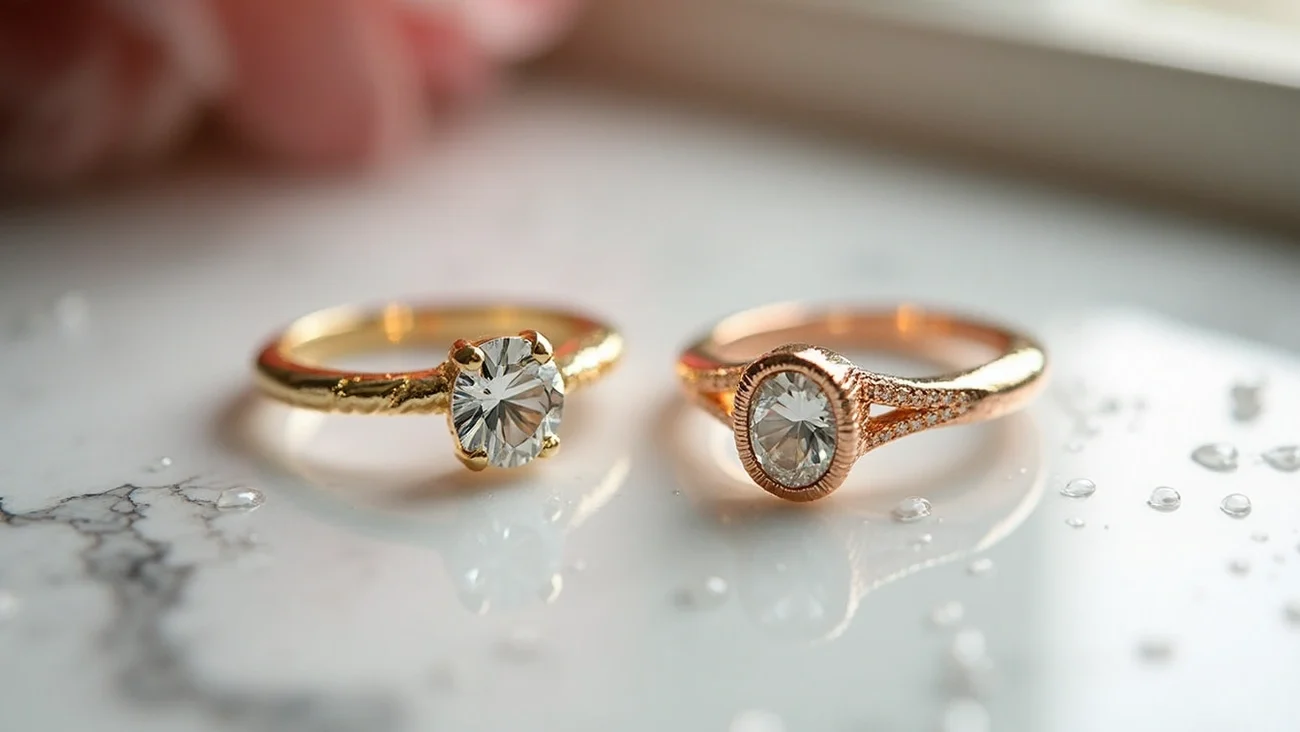
Not long ago, wedding rings followed a fairly predictable formula. A polished gold band. A diamond set in a familiar way. A design chosen less for personal meaning and more because it fits expectations.
That’s still true for some couples and there’s nothing wrong with that.
But for many others, tradition no longer tells the full story. As relationships become more personal, more diverse, and less bound by convention, the rings that symbolize them are evolving too.
Non-traditional wedding rings aren’t about rebelling for the sake of it. More often, they’re about choosing something that actually feels right.
When Tradition Stops Feeling Personal
Modern relationships rarely look the same as they did a generation ago. Couples meet later, bring together different backgrounds, beliefs, and experiences, and often prioritize shared values over rigid norms. It makes sense that a single, inherited ring style doesn’t always capture that reality.
Some people still connect deeply with classic designs. Others, however, find that wearing a ring chosen purely because it’s “what you’re supposed to do” feels disconnected from their relationship.
For them, stepping outside tradition isn’t a rejection of commitment but rather a way of making that commitment more honest.
Rings That Start With Meaning, Not Style
One noticeable shift is how couples approach the decision itself. Instead of starting with a design trend, many start with a question:
What do we want this ring to represent?
That often leads to thoughtful details like subtle engravings, mixed metals, or design elements that reference shared experiences rather than surface aesthetics. Sometimes those details are visible. Sometimes they’re private. Either way, the ring becomes less of a standardized object and more of a personal marker.
It’s a quiet shift, but a meaningful one.
Craftsmanship Over Perfection
There’s also a growing appreciation for rings that don’t look factory-perfect. Handcrafted elements like engraving, woven metal and textured finishes carry a sense of intention that appeals to couples who see marriage as something built over time, not frozen in place.
These rings tend to feel lived-in from the start. Slight variations aren’t flaws; they’re reminders that something real was made by human hands. For couples who value authenticity over uniformity, that distinction matters.
Together, Without Being Identical
Matching rings used to be seen as a visual requirement of marriage. Increasingly, couples are letting go of that idea.
It’s common now for partners to choose rings that relate to each other without being exact matches.
Different widths, finishes, or even metals, tied together by a shared design language. For couples who want their rings to feel connected without being identical, collections of matching wedding band sets designed to complement each other often strike a balance between unity and individuality.
That balance reflects how many modern relationships work in practice: shared life, distinct identities.
Faith, Culture, and Personal Belief
Non-traditional doesn’t always mean non-symbolic. In many cases, it means the opposite.
Some couples choose rings that reflect faith, spirituality, or cultural heritage in ways that feel intentional rather than obligatory. Symbols, patterns, or inscriptions can serve as quiet reminders of shared beliefs—something personal, not performative.
What makes these rings feel modern isn’t the symbolism itself, but the freedom to express it on one’s own terms.
Color as Choice, Not Statement
Diamonds remain popular, but they’re no longer the default. Colored gemstones are increasingly chosen not to stand out, but because they resonate on a personal level.
For some, color carries symbolism. For others, it simply feels more “them.” The decision is less about rejecting tradition and more about not feeling limited by it.
What These Rings Say About Love Today
The rise of non-traditional wedding rings isn’t really about trends. It’s about agency.
Modern couples are more comfortable choosing symbols that reflect who they are, rather than who they’re expected to be. The meaning behind the ring hasn’t changed—commitment, continuity, shared intention—but the way that meaning is expressed has become more flexible.
In the end, the most meaningful wedding ring isn’t defined by tradition or novelty. It’s the one that feels right the moment it’s worn—and still feels right years later.